And What Most Small Businesses Get Wrong
Most business owners assume their books are “fine” as long as QuickBooks shows a profit.
Unfortunately, that’s rarely the full story.
At Park East Bookkeeping, we regularly review files that look acceptable on the surface — but underneath contain issues that can cost business owners money, time, and credibility.
What Are “Clean Books”?
Clean books are not just categorized transactions. They are:
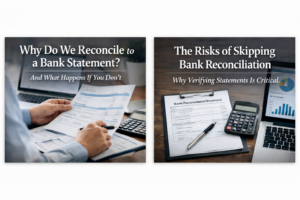
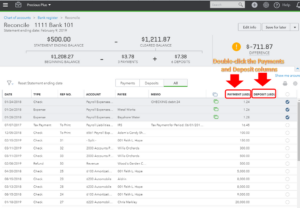
✔ Reconciled bank and credit card accounts
✔ Accurate balances on loans, payroll, and taxes
✔ Properly recorded owner draws and contributions
✔ Income that matches deposits (and doesn’t overstate revenue)
✔ Expense detail that supports tax deductions
✔ Reports that tie out to reality
If these pieces don’t line up, financial reports become unreliable — even if software says everything is “complete.”
Common Problems We See
Here are some of the most frequent issues we uncover:
- Uncleared transactions from prior years
- Loan balances that don’t match lender statements
- Payroll entries that don’t tie to W-3s or payroll tax filings
- Owner expenses mixed with business spending
- Deposits recorded as income that shouldn’t be
- “Uncategorized” balances left unresolved
These issues don’t just affect bookkeeping — they affect tax filings, loan applications, and decision-making.
Why This Matters Now
With increased automation, more businesses rely on software alone. But software doesn’t understand intent, context, or exceptions.
Only human review can determine:
- Whether a transaction is personal or business
- Whether a deposit is revenue or a reimbursement
- Whether an expense should be capitalized or expensed
- Whether financial statements are truly accurate
Our Approach
At Park East Bookkeeping, we focus on:
- Monthly reconciliations (not shortcuts)
- Clear documentation and audit trails
- CPA-ready financials
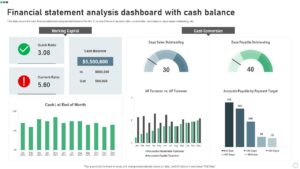
- Dashboards that show what actually matters
- Proactive communication when something doesn’t look right
We believe accurate books create better decisions — and fewer surprises.
When Should You Review Your Books?
You should consider a full review if:
- You’re preparing for taxes or a CPA handoff
- You’re applying for financing
- You’ve changed accountants or bookkeepers
- You’ve grown, hired, or added payroll
- You haven’t reconciled accounts consistently
Final Thought
Clean books aren’t about perfection — they’re about confidence. Confidence in your numbers. Confidence in your decisions. Confidence when someone else reviews your financials.
If you’re unsure whether your books are truly clean, we’re happy to help.
👉 Park East — clarity you can trust.